This guide is general information. Before going off-piste, take an avalanche course, carry the right equipment and, unless you are trained and experienced, go with a qualified mountain guide. Always read the official bulletin for the region on the day.
On piste and off piste
Marked, open pistes in a ski area are managed by the resort's ski patrol, who control avalanche risk on them and close runs when needed. Once you leave the marked runs, even a short distance, that protection ends. Most avalanche accidents involving skiers happen off-piste, and in many fatal accidents the slide was triggered by the victim or someone in their group.
The European avalanche danger scale
Avalanche warning services across Europe use a common five-level scale. The same numbers and colors appear in every Alpine country's bulletin.
- 1
Low
The snowpack is generally well bonded. Avalanches are possible mainly on isolated, extremely steep slopes.
- 2
Moderate
Mostly stable, with weak spots on some steep slopes. Many accidents happen at this level because more people go out.
- 3
Considerable
Weak snowpack on many steep slopes. One skier can trigger a slide, sometimes from a distance. A dangerous, common level.
- 4
High
Weak on most steep slopes. Triggering is likely and natural avalanches are expected. Stay on open, marked pistes.
- 5
Very high
Rare. Many large natural avalanches, which can reach valleys and roads. Lifts and roads may close.
The danger level rises in steps that are larger than they look: each level up means a much greater chance of triggering a slide. Many accidents happen at levels 2 and 3, because conditions look inviting and more people go out. Treat them with real care.
What a bulletin tells you
Official bulletins are usually published daily during the season, and some services issue an evening forecast with a morning update. They typically include:
- The danger level, which can differ by region, by altitude and between morning and afternoon.
- The slope aspects and heights where the danger is greatest.
- The main avalanche problems, such as new snow, wind-drifted snow, persistent weak layers, wet snow or gliding snow.
- A description of the snowpack and recent weather.
Where to find official bulletins
Each Alpine country and region has its own warning service. These starting points link to the official sources:
France's bulletins are published by Météo-France, Italy's regional services are coordinated by AINEVA, and Austria, Germany and Slovenia have regional or national services. The EAWS map links to each of them. Resorts also post the day's danger level at lift stations and on their websites.
If you want to ski off-piste
- Take a course. Learn to read terrain and the bulletin, and practice companion rescue.
- Hire a qualified mountain guide. In the Alps, look for a guide with the international (IFMGA) qualification, or a local equivalent the guide can show you.
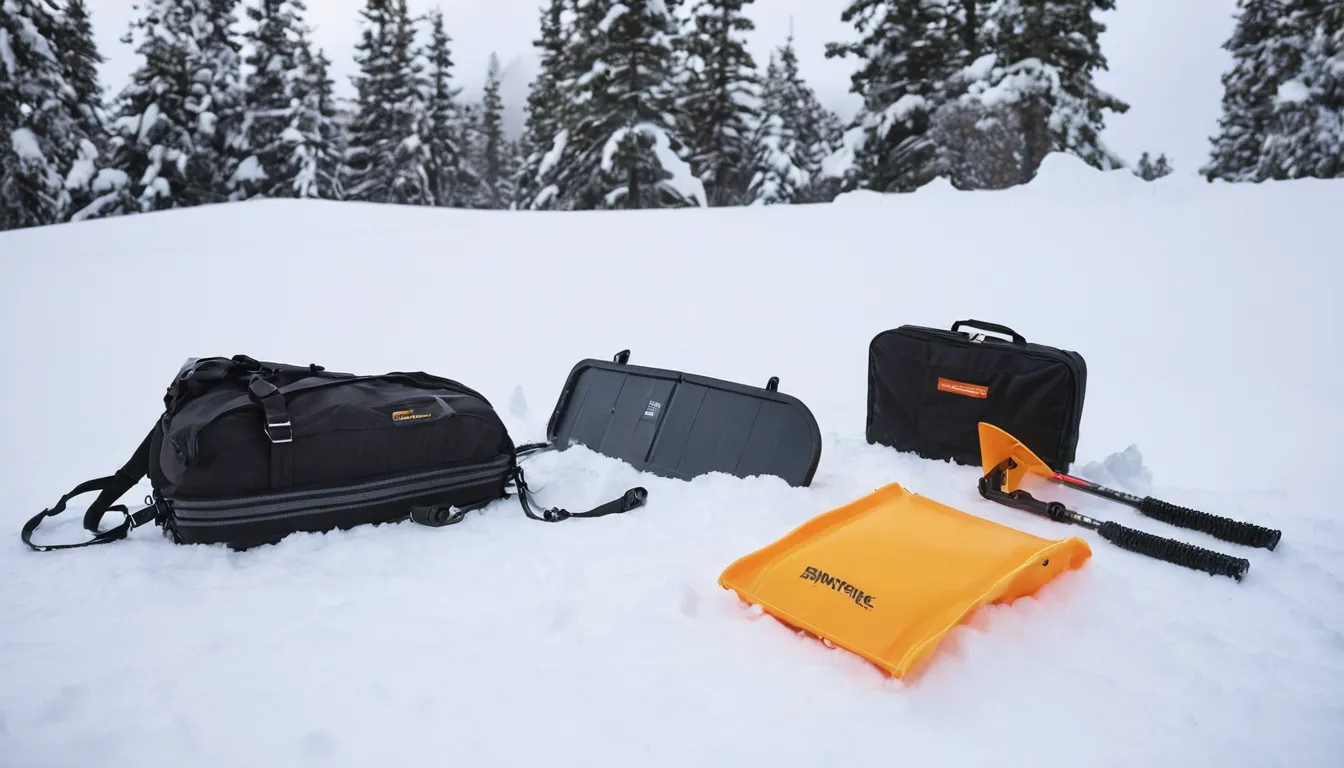
- Carry and practice with the gear. Every person needs an avalanche transceiver, a shovel and a probe, and must know how to use them quickly. Survival chances fall sharply after about 15 minutes under the snow.
- Read the bulletin and adjust. Change or cancel plans when the danger is high or the problems match the slopes you planned to ski.
- Never go alone, and tell someone your route and return time.
Check that your insurance covers off-piste skiing. See mountain safety.
Avalanche questions
Can avalanches happen on open pistes?
It is rare, because ski patrols manage open runs and close them when needed. Respect every closure, which is often about avalanche risk.
Is a short trip off the side of a run safe?
Not automatically. Avalanche terrain can begin just beyond the piste markers, and a slope does not need to be big to bury someone.
Does an airbag pack make off-piste safe?
No. It can help in some slides, but it does not prevent avalanches or replace training, a transceiver, shovel, probe and good decisions.