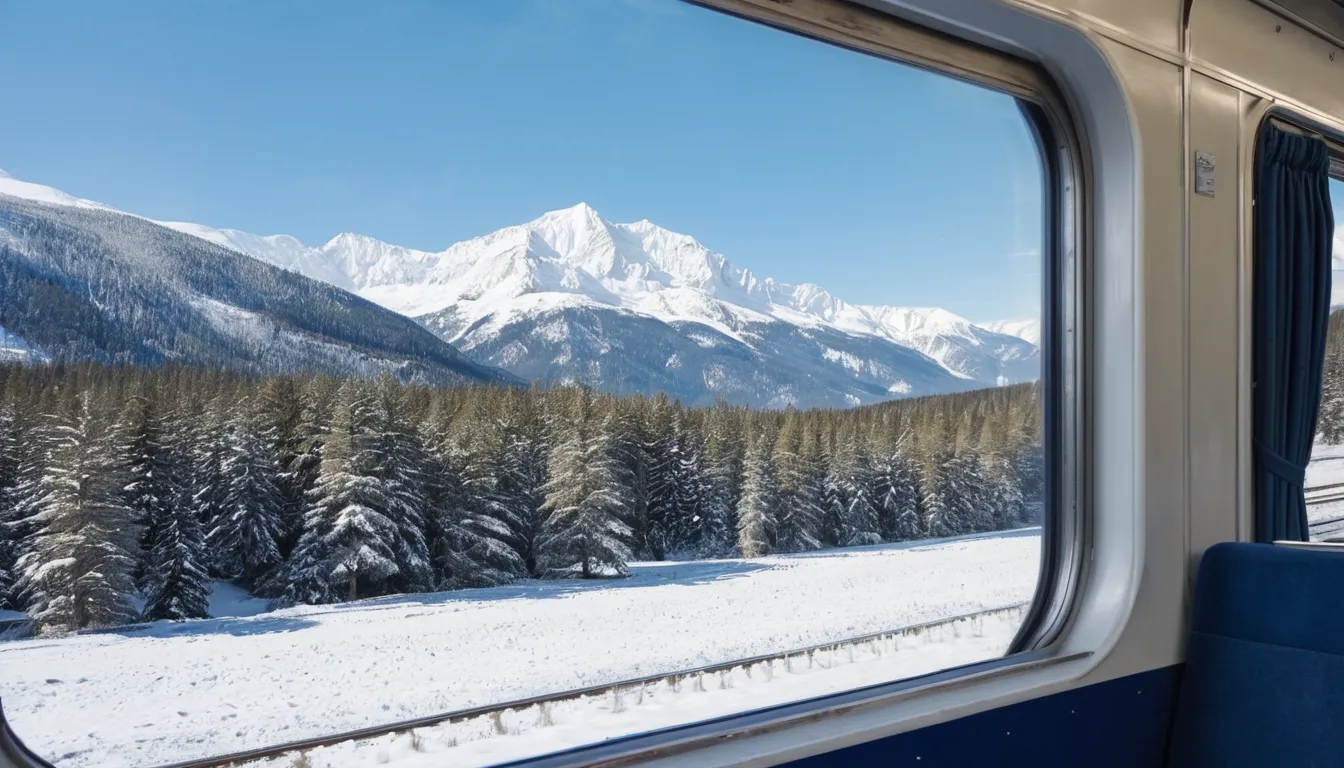
How train travel to the Alps works
Most rail trips to a ski area have three parts: a long-distance train to a gateway city or a mountain station, a regional train up the valley if needed, and a last leg by bus, mountain railway or lift. Planning works best backward: find the station nearest the ski area first, then work out how to reach it.
Main rail gateways by country
| Country | How rail reaches the mountains |
|---|---|
| France | High-speed and regional trains run into the northern Alps through stations such as Chambéry, Grenoble, Annecy and the Tarentaise valley stations of Moûtiers and Bourg-Saint-Maurice, with buses or funiculars onward. |
| Switzerland | A dense national network, with mountain railways that run right into resorts. Some villages, such as Zermatt and Wengen, are car-free and reached by rail. |
| Austria | Main lines through Innsbruck and Salzburg, with stations in or near several ski towns, including St. Anton am Arlberg and Kitzbühel. |
| Italy | Lines from Turin, Milan and Verona toward the mountains. Stations such as Oulx serve the western valleys by bus, and Bolzano is a hub for the Dolomites. |
| Germany | Regional trains from Munich run to Bavarian Alpine towns, including Garmisch-Partenkirchen. |
Services, timetables and bus links change from season to season. Check the national rail operator and the resort's own travel page for the current route.
The last mile: buses and lifts
From a valley station, the ski area may be a short walk, a gondola ride or a bus journey of up to an hour or so. Many resorts run buses timed to meet trains on changeover days, and some publish shared transfer options. Look up:
- Whether the bus from the station runs every day or only on certain days.
- The time of the last bus or lift up, if you arrive late.
- Whether a lift from the valley carries luggage or only skiers.
- How far the bus stop is from your room, with bags.
Booking tips
- Book long-distance trains early. On many routes, fares rise as seats sell, and trains on popular weekends fill up.
- Travel off the main changeover day. If your stay allows it, trains on other days are often quieter.
- Allow time for connections. Winter weather can delay trains, and missing the last bus up a valley is costly. Leave a buffer.
- Look at rail passes for longer trips. Rail passes for Europe, and some national passes, can cover several journeys. Compare them with point-to-point tickets for your actual route.
- Consider overnight trains. Sleeper trains run to the Alps on some routes. They save a night's lodging and give you a full first day. Check current routes, since they change.
Traveling with skis and bags
Pack light. Narrow aisles, steps onto mountain trains and changes between platforms are all easier with one bag that you can carry. If you rent equipment in the resort, you avoid carrying skis altogether. If you bring skis, a padded bag with a shoulder strap helps. Rules on large luggage vary by operator, so check before you travel. Some countries also have services that send luggage ahead by rail.
Train questions
Is it faster to fly?
For long distances, flying is often faster door to door, but airport transfers into the mountains can take hours. Trains that reach a mountain station can come close, especially from nearby countries.
Can I take skis on a train?
Usually yes, as personal luggage, within each operator's size and storage rules. A padded bag protects the skis and other passengers.
Do trains run in heavy snow?
Mountain railways are built for winter and usually run, but heavy snow or avalanche risk can close lines or roads for a time. Check service updates on travel days.